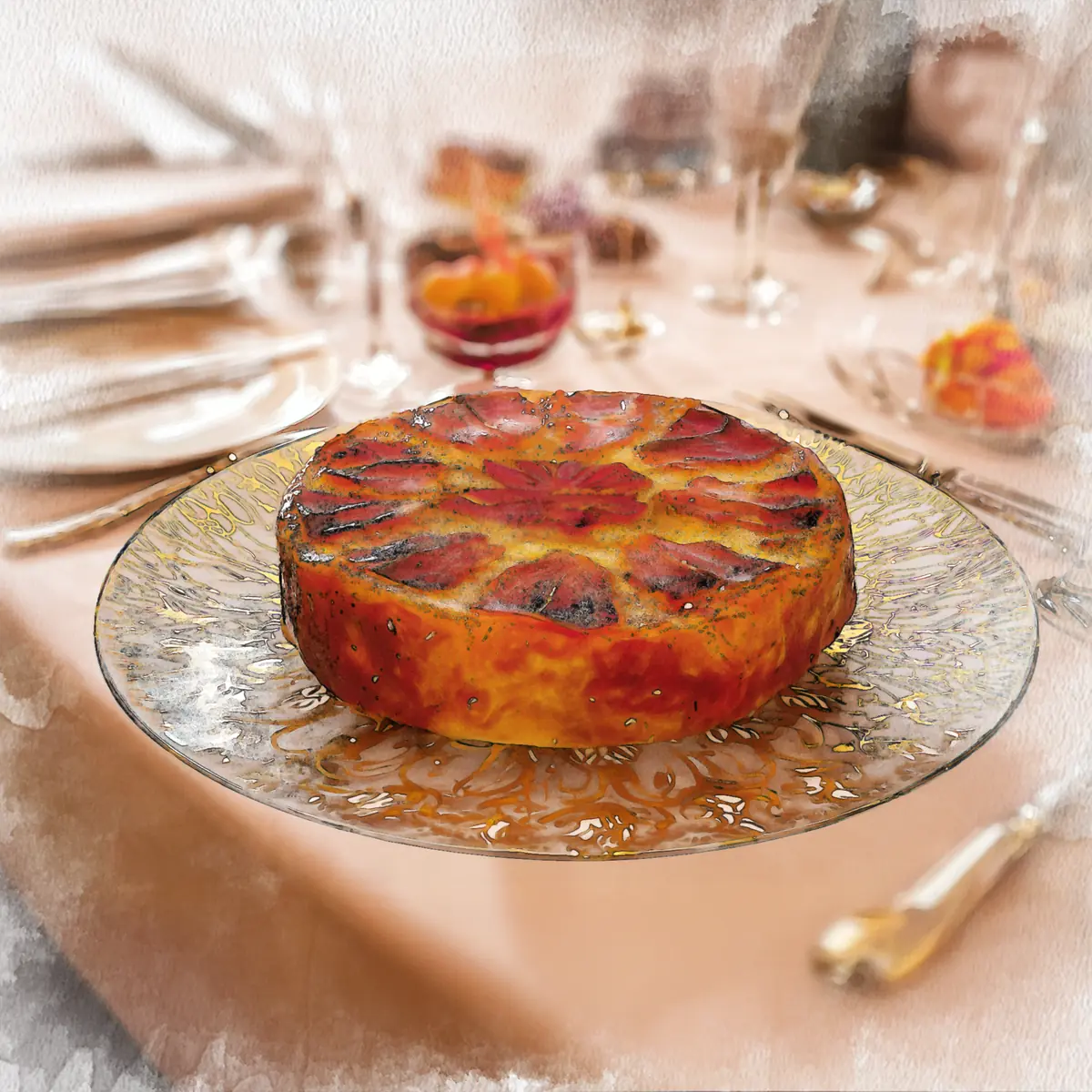
The Timballo of Pope Boniface VIII
Fettuccine, milk-fed veal, sun-dried wild mushrooms, artisanal prosciutto crudo, and aged Parmigiano Reggiano, bound in a rich ragout of chicken giblets.
A demanding pursuit
Lazio
Three hours of culinary contemplation
920 Kcal
The Timballo of Pope Boniface VIII
Fettuccine, milk-fed veal, sun-dried wild mushrooms, artisanal prosciutto crudo, and aged Parmigiano Reggiano, bound in a rich ragout of chicken giblets.
A demanding pursuit
Lazio
Three hours of culinary contemplation
920 Kcal
The Timballo of Pope Boniface VIII
Fettuccine, milk-fed veal, sun-dried wild mushrooms, artisanal prosciutto crudo, and aged Parmigiano Reggiano, bound in a rich ragout of chicken giblets.
A demanding pursuit
Lazio
Three hours of culinary contemplation
920 Kcal
GENESIS
The Timballo of Boniface VIII is a gastronomic masterpiece deeply rooted in the history and culture of Anagni, the "City of the Popes" nestled in the heart of Ciociaria, in Lazio. This sumptuous dish stands as a tribute to the city's most illustrious and controversial figure, Pope Boniface VIII, born Benedetto Caetani. The recipe, as we know it today, traces its origins to a centuries-old tradition, jealously guarded and handed down through generations. Legend has it that its birth is intimately entwined with the ancient "Ristorante del Gallo," a historic establishment in Anagni that, since the seventeenth century, has delighted palates with the authentic flavors of the territory. It was precisely here that the recipe was perfected and subsequently protected by a registered trademark to preserve its authenticity and singularity.
The timballo is no mere first course, but a celebration of the richest and most noble Ciociarian cuisine, standing in elegant contrast to its predominantly humble and peasant origins. The intricate preparation and the opulence of its ingredients — from fresh, hand-rolled fettuccine to an elaborate ragù enriched with tender veal meatballs, chicken giblets, and wild mushrooms, all encased in a dramatic shroud of cured prosciutto — evoke the papal banquets of yore. The choice to dedicate this dish to Boniface VIII is far from casual: it symbolizes the power, the wealth, and indeed the complexity of a historical figure who indelibly marked the history of the Church and of Italy. To savor the Timballo of Boniface VIII is therefore to embark upon a journey through time, discovering the flavors and traditions of a bygone era — a culinary experience that unites history, culture, and haute gastronomie.
PORTIONS (FOR 4 PERSONS)
FOR THE FRESHLY KNEADED PASTA
Flour 00
Whole eggs
Salt
300 g
3
A pinch
FOR THE CREATION'S HEART
Minced veal
Chicken giblets
Dried porcini mushrooms
Peeled plum tomatoes
Sweet carrot
Stalk of celery
Golden onion
Dry white wine
Extra virgin olive oil
Fine sea salt
Freshly cracked black pepper
Fresh egg (for the delicate meatballs)
Parmigiano Reggiano (for the same)
200 gr
130 gr
20 gr
550 gr
1
1
1
70 cl
To taste
To taste
To taste
1
35 gr
THE ASSEMBLY
Sweet-cured prosciutto crudo
Parmigiano Reggiano
Butter (for the baking dish)
140 gr
70 gr
to taste
CURATION
For the fresh pasta:
Upon a wooden pastry board, shape the flour and salt into a majestic mound, hollowing the center to form a well. Gently crack the eggs into this hearth and begin to whisk them with a fork, gradually coaxing the flour inward from the edges. Once the dough gathers strength, knead it with vigor and passion for some 10 to 15 minutes, until you fashion a smooth, silken, and resilient sphere. Envelop this treasure in cling film, allowing it to rest at room temperature for at least 30 minutes, composed and serene. When the interval is complete, roll the dough with a rolling pin or a pasta machine until you achieve sheets of elegant, modest thickness. Dust them lightly with flour, roll them gently upon themselves, and slice them to a width of about 5 to 7 mm to yield your fettuccine. Arrange them upon a floured tray, spaced in delicate isolation.For the filling:
Steep the dried wild mushrooms in a vessel of tepid water for about 20 minutes to awaken their earthy essence. Meanwhile, prepare a fine, aromatic mirepoix of carrot, celery, and onion. Meticulously cleanse the chicken giblets, mincing them finely with a chef's knife. In a separate bowl, marry the ground veal with the egg, 35 grams of Parmigiano Reggiano, a touch of salt, and a fresh grind of black pepper. With slightly moistened hands, shape this mixture into exquisite, diminutive meatballs, no larger than hazelnuts. In a spacious pan, warm a generous stream of extra virgin olive oil and gently sauté the minced vegetables over a soft flame. Once they soften, raise the heat, add the minced giblets, and let them sear for a few minutes. Splash the mixture with white wine, allowing the spirits to evaporate into the air. Nestle the small meatballs into the pan, searing them to a golden hue on all sides. Squeeze the excess moisture from the rehydrated mushrooms, chop them coarsely, and introduce them to the pan. Finally, pour in the peeled tomatoes, cradled and crushed beforehand with a fork. Adjust with salt and pepper, lower the flame to its quietest whisper, cover, and let this opulent ragù simmer gently for at least an hour and a half, stirring from time to time with devotion.For the assembly and baking:
Preheat the oven to 180°C in conventional mode. Generously butter a springform pan or a deep, round baking dish (approximately 20 cm in diameter). Line the bottom and walls completely with the delicate ribbons of prosciutto crudo, draping them flush against the mold while letting the excess cascade elegantly over the edges. Bathe the fettuccine in a pot of abundant, salted boiling water. Drain the pasta extremely al dente (boiling for only half the customary duration), as its culinary journey will culminate in the oven's embrace. Transfer the pasta to a spacious bowl and dress it lovingly with the prepared ragù and the remaining 70 grams of grated Parmigiano Reggiano. Turn the pasta gently to distribute the rich sauce in perfect harmony. Transfer the dressed fettuccine into the prosciutto-lined mold, pressing them softly. Fold the tumbling ribbons of prosciutto inward, sealing the surface of this culinary dome. Place in the oven and bake for 30 to 40 minutes, until the prosciutto crown emerges crisp and bronzed. Withdraw the majestic timbale from the oven, letting its flavors settle for 10 to 15 minutes, then invert it with utmost care onto a grand serving platter and present it hot in all its glory.
aspiration
To bestow an even more robust and profound character upon the ragù, you may introduce a whisper of cured pancetta or guanciale during the inaugural soffritto.
Ensure the pasta is drained highly 'al dente', lest it lose its noble texture and succumb to overcooking within the oven's embrace.
The selection of a sweet, exquisite prosciutto crudo of peerless quality is paramount; it shall compose the outer crust of the timballo, profoundly shaping its final gastronomic poetry.
Allow the timballo a few moments of serene repose before presenting it to the table.


GENESIS
The Timballo of Boniface VIII is a gastronomic masterpiece deeply rooted in the history and culture of Anagni, the "City of the Popes" nestled in the heart of Ciociaria, in Lazio. This sumptuous dish stands as a tribute to the city's most illustrious and controversial figure, Pope Boniface VIII, born Benedetto Caetani. The recipe, as we know it today, traces its origins to a centuries-old tradition, jealously guarded and handed down through generations. Legend has it that its birth is intimately entwined with the ancient "Ristorante del Gallo," a historic establishment in Anagni that, since the seventeenth century, has delighted palates with the authentic flavors of the territory. It was precisely here that the recipe was perfected and subsequently protected by a registered trademark to preserve its authenticity and singularity.
The timballo is no mere first course, but a celebration of the richest and most noble Ciociarian cuisine, standing in elegant contrast to its predominantly humble and peasant origins. The intricate preparation and the opulence of its ingredients — from fresh, hand-rolled fettuccine to an elaborate ragù enriched with tender veal meatballs, chicken giblets, and wild mushrooms, all encased in a dramatic shroud of cured prosciutto — evoke the papal banquets of yore. The choice to dedicate this dish to Boniface VIII is far from casual: it symbolizes the power, the wealth, and indeed the complexity of a historical figure who indelibly marked the history of the Church and of Italy. To savor the Timballo of Boniface VIII is therefore to embark upon a journey through time, discovering the flavors and traditions of a bygone era — a culinary experience that unites history, culture, and haute gastronomie.
PORTIONS (FOR 4 PERSONS)
FOR THE FRESHLY KNEADED PASTA
Flour 00
Whole eggs
Salt
300 g
3
A pinch
FOR THE CREATION'S HEART
Minced veal
Chicken giblets
Dried porcini mushrooms
Peeled plum tomatoes
Sweet carrot
Stalk of celery
Golden onion
Dry white wine
Extra virgin olive oil
Fine sea salt
Freshly cracked black pepper
Fresh egg (for the delicate meatballs)
Parmigiano Reggiano (for the same)
200 gr
130 gr
20 gr
550 gr
1
1
1
70 cl
To taste
To taste
To taste
1
35 gr
THE ASSEMBLY
Sweet-cured prosciutto crudo
Parmigiano Reggiano
Butter (for the baking dish)
140 gr
70 gr
to taste
CURATION
For the fresh pasta:
Upon a wooden pastry board, shape the flour and salt into a majestic mound, hollowing the center to form a well. Gently crack the eggs into this hearth and begin to whisk them with a fork, gradually coaxing the flour inward from the edges. Once the dough gathers strength, knead it with vigor and passion for some 10 to 15 minutes, until you fashion a smooth, silken, and resilient sphere. Envelop this treasure in cling film, allowing it to rest at room temperature for at least 30 minutes, composed and serene. When the interval is complete, roll the dough with a rolling pin or a pasta machine until you achieve sheets of elegant, modest thickness. Dust them lightly with flour, roll them gently upon themselves, and slice them to a width of about 5 to 7 mm to yield your fettuccine. Arrange them upon a floured tray, spaced in delicate isolation.For the filling:
Steep the dried wild mushrooms in a vessel of tepid water for about 20 minutes to awaken their earthy essence. Meanwhile, prepare a fine, aromatic mirepoix of carrot, celery, and onion. Meticulously cleanse the chicken giblets, mincing them finely with a chef's knife. In a separate bowl, marry the ground veal with the egg, 35 grams of Parmigiano Reggiano, a touch of salt, and a fresh grind of black pepper. With slightly moistened hands, shape this mixture into exquisite, diminutive meatballs, no larger than hazelnuts. In a spacious pan, warm a generous stream of extra virgin olive oil and gently sauté the minced vegetables over a soft flame. Once they soften, raise the heat, add the minced giblets, and let them sear for a few minutes. Splash the mixture with white wine, allowing the spirits to evaporate into the air. Nestle the small meatballs into the pan, searing them to a golden hue on all sides. Squeeze the excess moisture from the rehydrated mushrooms, chop them coarsely, and introduce them to the pan. Finally, pour in the peeled tomatoes, cradled and crushed beforehand with a fork. Adjust with salt and pepper, lower the flame to its quietest whisper, cover, and let this opulent ragù simmer gently for at least an hour and a half, stirring from time to time with devotion.For the assembly and baking:
Preheat the oven to 180°C in conventional mode. Generously butter a springform pan or a deep, round baking dish (approximately 20 cm in diameter). Line the bottom and walls completely with the delicate ribbons of prosciutto crudo, draping them flush against the mold while letting the excess cascade elegantly over the edges. Bathe the fettuccine in a pot of abundant, salted boiling water. Drain the pasta extremely al dente (boiling for only half the customary duration), as its culinary journey will culminate in the oven's embrace. Transfer the pasta to a spacious bowl and dress it lovingly with the prepared ragù and the remaining 70 grams of grated Parmigiano Reggiano. Turn the pasta gently to distribute the rich sauce in perfect harmony. Transfer the dressed fettuccine into the prosciutto-lined mold, pressing them softly. Fold the tumbling ribbons of prosciutto inward, sealing the surface of this culinary dome. Place in the oven and bake for 30 to 40 minutes, until the prosciutto crown emerges crisp and bronzed. Withdraw the majestic timbale from the oven, letting its flavors settle for 10 to 15 minutes, then invert it with utmost care onto a grand serving platter and present it hot in all its glory.
aspiration
To bestow an even more robust and profound character upon the ragù, you may introduce a whisper of cured pancetta or guanciale during the inaugural soffritto.
Ensure the pasta is drained highly 'al dente', lest it lose its noble texture and succumb to overcooking within the oven's embrace.
The selection of a sweet, exquisite prosciutto crudo of peerless quality is paramount; it shall compose the outer crust of the timballo, profoundly shaping its final gastronomic poetry.
Allow the timballo a few moments of serene repose before presenting it to the table.
latest culinary creations
GENESIS
The Timballo of Boniface VIII is a gastronomic masterpiece deeply rooted in the history and culture of Anagni, the "City of the Popes" nestled in the heart of Ciociaria, in Lazio. This sumptuous dish stands as a tribute to the city's most illustrious and controversial figure, Pope Boniface VIII, born Benedetto Caetani. The recipe, as we know it today, traces its origins to a centuries-old tradition, jealously guarded and handed down through generations. Legend has it that its birth is intimately entwined with the ancient "Ristorante del Gallo," a historic establishment in Anagni that, since the seventeenth century, has delighted palates with the authentic flavors of the territory. It was precisely here that the recipe was perfected and subsequently protected by a registered trademark to preserve its authenticity and singularity.
The timballo is no mere first course, but a celebration of the richest and most noble Ciociarian cuisine, standing in elegant contrast to its predominantly humble and peasant origins. The intricate preparation and the opulence of its ingredients — from fresh, hand-rolled fettuccine to an elaborate ragù enriched with tender veal meatballs, chicken giblets, and wild mushrooms, all encased in a dramatic shroud of cured prosciutto — evoke the papal banquets of yore. The choice to dedicate this dish to Boniface VIII is far from casual: it symbolizes the power, the wealth, and indeed the complexity of a historical figure who indelibly marked the history of the Church and of Italy. To savor the Timballo of Boniface VIII is therefore to embark upon a journey through time, discovering the flavors and traditions of a bygone era — a culinary experience that unites history, culture, and haute gastronomie.
PORTIONS (FOR 4 PERSONS)
FOR THE FRESHLY KNEADED PASTA
Flour 00
Whole eggs
Salt
300 g
3
A pinch
FOR THE CREATION'S HEART
Minced veal
Chicken giblets
Dried porcini mushrooms
Peeled plum tomatoes
Sweet carrot
Stalk of celery
Golden onion
Dry white wine
Extra virgin olive oil
Fine sea salt
Freshly cracked black pepper
Fresh egg (for the delicate meatballs)
Parmigiano Reggiano (for the same)
200 gr
130 gr
20 gr
550 gr
1
1
1
70 cl
To taste
To taste
To taste
1
35 gr
THE ASSEMBLY
Sweet-cured prosciutto crudo
Parmigiano Reggiano
Butter (for the baking dish)
140 gr
70 gr
to taste
CURATION
For the fresh pasta:
Upon a wooden pastry board, shape the flour and salt into a majestic mound, hollowing the center to form a well. Gently crack the eggs into this hearth and begin to whisk them with a fork, gradually coaxing the flour inward from the edges. Once the dough gathers strength, knead it with vigor and passion for some 10 to 15 minutes, until you fashion a smooth, silken, and resilient sphere. Envelop this treasure in cling film, allowing it to rest at room temperature for at least 30 minutes, composed and serene. When the interval is complete, roll the dough with a rolling pin or a pasta machine until you achieve sheets of elegant, modest thickness. Dust them lightly with flour, roll them gently upon themselves, and slice them to a width of about 5 to 7 mm to yield your fettuccine. Arrange them upon a floured tray, spaced in delicate isolation.For the filling:
Steep the dried wild mushrooms in a vessel of tepid water for about 20 minutes to awaken their earthy essence. Meanwhile, prepare a fine, aromatic mirepoix of carrot, celery, and onion. Meticulously cleanse the chicken giblets, mincing them finely with a chef's knife. In a separate bowl, marry the ground veal with the egg, 35 grams of Parmigiano Reggiano, a touch of salt, and a fresh grind of black pepper. With slightly moistened hands, shape this mixture into exquisite, diminutive meatballs, no larger than hazelnuts. In a spacious pan, warm a generous stream of extra virgin olive oil and gently sauté the minced vegetables over a soft flame. Once they soften, raise the heat, add the minced giblets, and let them sear for a few minutes. Splash the mixture with white wine, allowing the spirits to evaporate into the air. Nestle the small meatballs into the pan, searing them to a golden hue on all sides. Squeeze the excess moisture from the rehydrated mushrooms, chop them coarsely, and introduce them to the pan. Finally, pour in the peeled tomatoes, cradled and crushed beforehand with a fork. Adjust with salt and pepper, lower the flame to its quietest whisper, cover, and let this opulent ragù simmer gently for at least an hour and a half, stirring from time to time with devotion.For the assembly and baking:
Preheat the oven to 180°C in conventional mode. Generously butter a springform pan or a deep, round baking dish (approximately 20 cm in diameter). Line the bottom and walls completely with the delicate ribbons of prosciutto crudo, draping them flush against the mold while letting the excess cascade elegantly over the edges. Bathe the fettuccine in a pot of abundant, salted boiling water. Drain the pasta extremely al dente (boiling for only half the customary duration), as its culinary journey will culminate in the oven's embrace. Transfer the pasta to a spacious bowl and dress it lovingly with the prepared ragù and the remaining 70 grams of grated Parmigiano Reggiano. Turn the pasta gently to distribute the rich sauce in perfect harmony. Transfer the dressed fettuccine into the prosciutto-lined mold, pressing them softly. Fold the tumbling ribbons of prosciutto inward, sealing the surface of this culinary dome. Place in the oven and bake for 30 to 40 minutes, until the prosciutto crown emerges crisp and bronzed. Withdraw the majestic timbale from the oven, letting its flavors settle for 10 to 15 minutes, then invert it with utmost care onto a grand serving platter and present it hot in all its glory.
aspiration
To bestow an even more robust and profound character upon the ragù, you may introduce a whisper of cured pancetta or guanciale during the inaugural soffritto.
Ensure the pasta is drained highly 'al dente', lest it lose its noble texture and succumb to overcooking within the oven's embrace.
The selection of a sweet, exquisite prosciutto crudo of peerless quality is paramount; it shall compose the outer crust of the timballo, profoundly shaping its final gastronomic poetry.
Allow the timballo a few moments of serene repose before presenting it to the table.