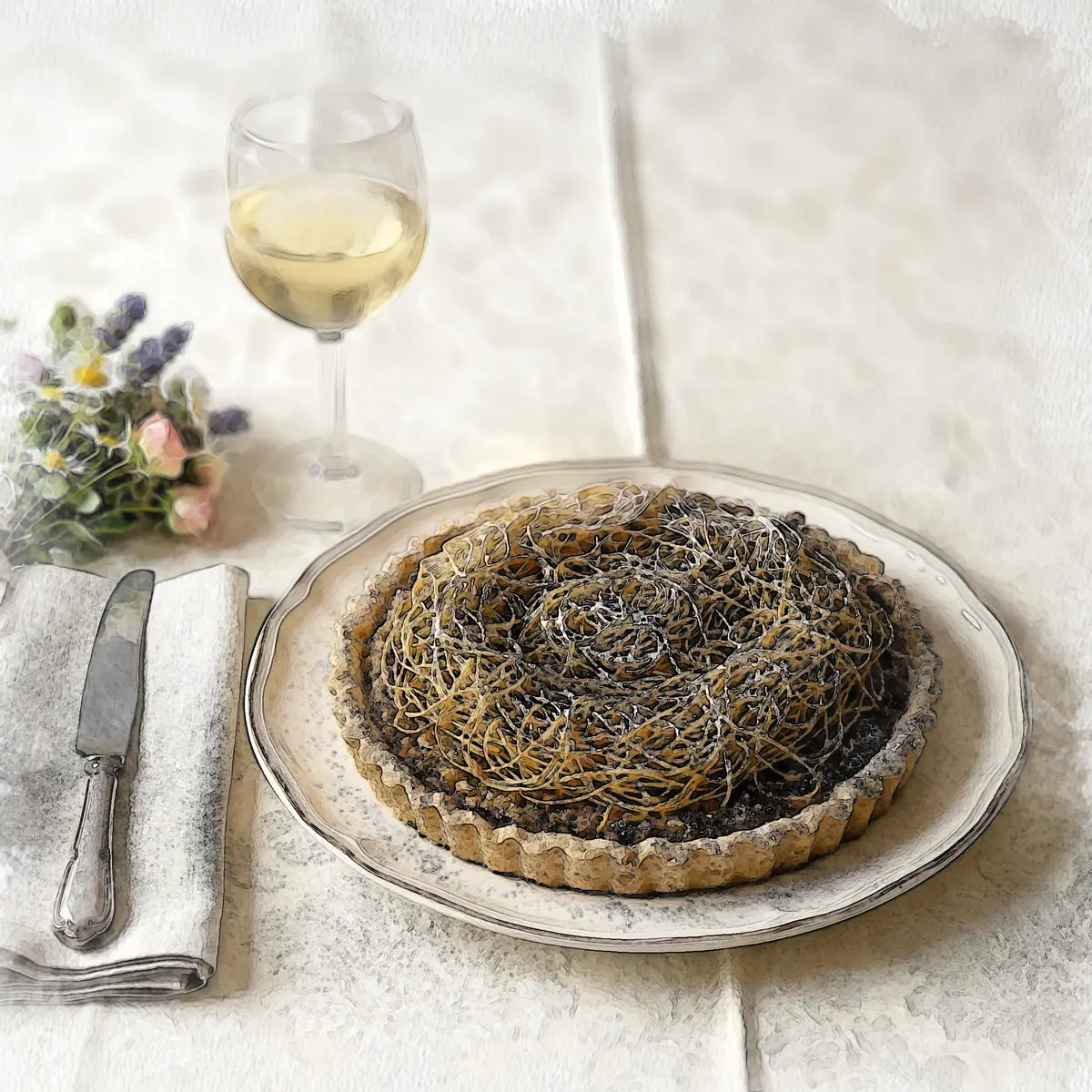
RICCIOLINA TART
Ribbons of Tagliatelle, Almonds, Sugar, Candied Citron, Sassolino Liqueur, Butter
A demanding pursuit
Lombardy Emilia-Romagna
One hundred minutes
560 Kcal
RICCIOLINA TART
Ribbons of Tagliatelle, Almonds, Sugar, Candied Citron, Sassolino Liqueur, Butter
A demanding pursuit
Lombardy Emilia-Romagna
One hundred minutes
560 Kcal
RICCIOLINA TART
Ribbons of Tagliatelle, Almonds, Sugar, Candied Citron, Sassolino Liqueur, Butter
A demanding pursuit
Lombardy Emilia-Romagna
One hundred minutes
560 Kcal
GENESIS
The Torta Ricciolina, also revered as the Torta di Tagliatelle, stands as one of the supreme keystones of the traditional confectionery heritage flourishing between Mantua and Ferrara. Its origins trace their roots back to the luminous Renaissance, an era when the courts of Gonzaga and Este profoundly shaped the local gastronomic culture through the noble exchange of recipes and culinary masters. The defining signature of this dessert lies in the exquisite, unexpected marriage between egg pasta—typically destined for savory encounters—and a luscious filling of almonds and candied fruits. Rich legends whisper of the cake's birth; the most celebrated narrates that the delicate ribbons of tagliatelle adorning its crown were fashioned to pay homage to the golden, cascading tresses of Lucrezia Borgia, Duchess of Ferrara. Historically, the recipe bears witness to the lavish use of prestigious ingredients such as sugar and almonds, which in the sixteenth century reigned as symbols of opulence and power. While the Ferrarese interpretation often features a pastry crust cradling the filling and the golden ribbons, the Mantuan variation tends to elevate the crispness of the crowning pasta. Sassolino liqueur, an anise distillate native to the Modena region, is frequently embraced to perfume the heart of the dessert, imparting a balsamic note that harmonizes the sweetness of the candied fruit and the richness of the butter. This preparation was traditionally sanctified for solemn feast days, particularly Easter and Christmas, yet today it remains available throughout the year in the artisanal pasticcerie of the Po Valley. The complexity of its design demands masterly artistry, particularly in the rolling of gossamer-thin tagliatelle that must achieve a golden hue without burning, preserving a fragile crispness that contrasts poetically with the tender embrace of the inner filling.
PORTIONS (FOR 4 PERSONS)
FOR THE PASTRY CRUST
Flour 00
Butter
Sugar
Egg
Lemon zest
250 g
125 g
100 g
1
to taste
FOR THE FRESHLY KNEADED PASTA
Flour 00
Eggs
200 g
2
FOR THE CREATION'S HEART
Blanched almonds
Sugar
Candied citron
Dark cocoa
Butter
Sassolino liqueur
200 gr
200 gr
50 gr
30 gr
100 gr
50 ml
FOR THE EMBELLISHMENT
Butter
Confectioners' sugar
50 g
to taste
CURATION
For the sweet pastry:
Begin by fashioning the foundation of the tart. Upon a pastry board, shape the flour into a gentle mound, creating a well at its heart to receive the sugar, the egg, the finely rasped lemon zest, and the cold butter, diced into precious cubes. Working swiftly with your hands, bring these elements together until they coalesce into a smooth, harmonious dough. Wrap this pastry treasure in cling film and allow it to rest in the cool embrace of the refrigerator for no less than thirty minutes.For the fresh pasta:
Whilst the pastry slumbers, devote your hands to the creation of the delicate tagliatelle. Pour the flour onto the pastry board, fashion an inner well, and crack the eggs into its center. Knead with vigorous devotion for about ten minutes, until the dough yields to an elastic grace. Cover the dough with a linen cloth and let it rest for half an hour. Once this time has passed, roll the dough exceedingly thin using a rolling pin or the traditional machine. Allow the sheet of pasta to dry ever so slightly, then roll it gently and slice it to obtain gossamer ribbons resembling angel hair.For the filling:
Finely grind the blanched almonds together with the sugar until they become a delicate, sandy dust. In a bowl, unite these sweetened almonds with the sifted bitter cocoa, the candied citron cut into minuscule gems, and the aromatic Sassolino liqueur. Stir with care to weave these scents and flavors into perfect unison.For the assembly:
Retrieve the sweet pastry from its cold rest and roll it out with the rolling pin. Drape it over a buttered baking pan, raising the edges high and proud. Scatter a delicate layer of raw tagliatelle upon the base, then spoon a portion of the almond filling over them, followed by a few curls of butter. Continue in this manner, alternating layers of pasta and rich filling until all are spent. The final layer must consist solely of tagliatelle, arranged in a wild, untamed fashion to create the signature ruffled curled effect. Crown the creation by scattering the remaining butter in tiny flecks across the surface.For the baking:
Bake the tart in a preheated static oven at 170°C for approximately 40 to 45 minutes. Should the crowning ribbons of pasta darken too swiftly, veil the pan with a sheet of aluminum foil. Once baked, draw the Torta Ricciolina from the hearth and let it cool completely in its cradle before unmolding. Prior to presenting it to your guests, adorn the surface with a generous snowfall of icing sugar.
aspiration
For a more aromatic nuance, you may substitute the Sassolino with almond liqueur or Maraschino.
Ensure the tagliatelle are rolled exceedingly thin, lest they remain stubborn to the palate rather than achieving their intended crispy sublimation during baking.
This gateau attains an even greater sublime grace when savored the following day, once the essences of the candied fruits and the noble liqueur have settled into harmonious accord.


GENESIS
The Torta Ricciolina, also revered as the Torta di Tagliatelle, stands as one of the supreme keystones of the traditional confectionery heritage flourishing between Mantua and Ferrara. Its origins trace their roots back to the luminous Renaissance, an era when the courts of Gonzaga and Este profoundly shaped the local gastronomic culture through the noble exchange of recipes and culinary masters. The defining signature of this dessert lies in the exquisite, unexpected marriage between egg pasta—typically destined for savory encounters—and a luscious filling of almonds and candied fruits. Rich legends whisper of the cake's birth; the most celebrated narrates that the delicate ribbons of tagliatelle adorning its crown were fashioned to pay homage to the golden, cascading tresses of Lucrezia Borgia, Duchess of Ferrara. Historically, the recipe bears witness to the lavish use of prestigious ingredients such as sugar and almonds, which in the sixteenth century reigned as symbols of opulence and power. While the Ferrarese interpretation often features a pastry crust cradling the filling and the golden ribbons, the Mantuan variation tends to elevate the crispness of the crowning pasta. Sassolino liqueur, an anise distillate native to the Modena region, is frequently embraced to perfume the heart of the dessert, imparting a balsamic note that harmonizes the sweetness of the candied fruit and the richness of the butter. This preparation was traditionally sanctified for solemn feast days, particularly Easter and Christmas, yet today it remains available throughout the year in the artisanal pasticcerie of the Po Valley. The complexity of its design demands masterly artistry, particularly in the rolling of gossamer-thin tagliatelle that must achieve a golden hue without burning, preserving a fragile crispness that contrasts poetically with the tender embrace of the inner filling.
PORTIONS (FOR 4 PERSONS)
FOR THE PASTRY CRUST
Flour 00
Butter
Sugar
Egg
Lemon zest
250 g
125 g
100 g
1
to taste
FOR THE FRESHLY KNEADED PASTA
Flour 00
Eggs
200 g
2
FOR THE CREATION'S HEART
Blanched almonds
Sugar
Candied citron
Dark cocoa
Butter
Sassolino liqueur
200 gr
200 gr
50 gr
30 gr
100 gr
50 ml
FOR THE EMBELLISHMENT
Butter
Confectioners' sugar
50 g
to taste
CURATION
For the sweet pastry:
Begin by fashioning the foundation of the tart. Upon a pastry board, shape the flour into a gentle mound, creating a well at its heart to receive the sugar, the egg, the finely rasped lemon zest, and the cold butter, diced into precious cubes. Working swiftly with your hands, bring these elements together until they coalesce into a smooth, harmonious dough. Wrap this pastry treasure in cling film and allow it to rest in the cool embrace of the refrigerator for no less than thirty minutes.For the fresh pasta:
Whilst the pastry slumbers, devote your hands to the creation of the delicate tagliatelle. Pour the flour onto the pastry board, fashion an inner well, and crack the eggs into its center. Knead with vigorous devotion for about ten minutes, until the dough yields to an elastic grace. Cover the dough with a linen cloth and let it rest for half an hour. Once this time has passed, roll the dough exceedingly thin using a rolling pin or the traditional machine. Allow the sheet of pasta to dry ever so slightly, then roll it gently and slice it to obtain gossamer ribbons resembling angel hair.For the filling:
Finely grind the blanched almonds together with the sugar until they become a delicate, sandy dust. In a bowl, unite these sweetened almonds with the sifted bitter cocoa, the candied citron cut into minuscule gems, and the aromatic Sassolino liqueur. Stir with care to weave these scents and flavors into perfect unison.For the assembly:
Retrieve the sweet pastry from its cold rest and roll it out with the rolling pin. Drape it over a buttered baking pan, raising the edges high and proud. Scatter a delicate layer of raw tagliatelle upon the base, then spoon a portion of the almond filling over them, followed by a few curls of butter. Continue in this manner, alternating layers of pasta and rich filling until all are spent. The final layer must consist solely of tagliatelle, arranged in a wild, untamed fashion to create the signature ruffled curled effect. Crown the creation by scattering the remaining butter in tiny flecks across the surface.For the baking:
Bake the tart in a preheated static oven at 170°C for approximately 40 to 45 minutes. Should the crowning ribbons of pasta darken too swiftly, veil the pan with a sheet of aluminum foil. Once baked, draw the Torta Ricciolina from the hearth and let it cool completely in its cradle before unmolding. Prior to presenting it to your guests, adorn the surface with a generous snowfall of icing sugar.
aspiration
For a more aromatic nuance, you may substitute the Sassolino with almond liqueur or Maraschino.
Ensure the tagliatelle are rolled exceedingly thin, lest they remain stubborn to the palate rather than achieving their intended crispy sublimation during baking.
This gateau attains an even greater sublime grace when savored the following day, once the essences of the candied fruits and the noble liqueur have settled into harmonious accord.
latest culinary creations
GENESIS
The Torta Ricciolina, also revered as the Torta di Tagliatelle, stands as one of the supreme keystones of the traditional confectionery heritage flourishing between Mantua and Ferrara. Its origins trace their roots back to the luminous Renaissance, an era when the courts of Gonzaga and Este profoundly shaped the local gastronomic culture through the noble exchange of recipes and culinary masters. The defining signature of this dessert lies in the exquisite, unexpected marriage between egg pasta—typically destined for savory encounters—and a luscious filling of almonds and candied fruits. Rich legends whisper of the cake's birth; the most celebrated narrates that the delicate ribbons of tagliatelle adorning its crown were fashioned to pay homage to the golden, cascading tresses of Lucrezia Borgia, Duchess of Ferrara. Historically, the recipe bears witness to the lavish use of prestigious ingredients such as sugar and almonds, which in the sixteenth century reigned as symbols of opulence and power. While the Ferrarese interpretation often features a pastry crust cradling the filling and the golden ribbons, the Mantuan variation tends to elevate the crispness of the crowning pasta. Sassolino liqueur, an anise distillate native to the Modena region, is frequently embraced to perfume the heart of the dessert, imparting a balsamic note that harmonizes the sweetness of the candied fruit and the richness of the butter. This preparation was traditionally sanctified for solemn feast days, particularly Easter and Christmas, yet today it remains available throughout the year in the artisanal pasticcerie of the Po Valley. The complexity of its design demands masterly artistry, particularly in the rolling of gossamer-thin tagliatelle that must achieve a golden hue without burning, preserving a fragile crispness that contrasts poetically with the tender embrace of the inner filling.
PORTIONS (FOR 4 PERSONS)
FOR THE PASTRY CRUST
Flour 00
Butter
Sugar
Egg
Lemon zest
250 g
125 g
100 g
1
to taste
FOR THE FRESHLY KNEADED PASTA
Flour 00
Eggs
200 g
2
FOR THE CREATION'S HEART
Blanched almonds
Sugar
Candied citron
Dark cocoa
Butter
Sassolino liqueur
200 gr
200 gr
50 gr
30 gr
100 gr
50 ml
FOR THE EMBELLISHMENT
Butter
Confectioners' sugar
50 g
to taste
CURATION
For the sweet pastry:
Begin by fashioning the foundation of the tart. Upon a pastry board, shape the flour into a gentle mound, creating a well at its heart to receive the sugar, the egg, the finely rasped lemon zest, and the cold butter, diced into precious cubes. Working swiftly with your hands, bring these elements together until they coalesce into a smooth, harmonious dough. Wrap this pastry treasure in cling film and allow it to rest in the cool embrace of the refrigerator for no less than thirty minutes.For the fresh pasta:
Whilst the pastry slumbers, devote your hands to the creation of the delicate tagliatelle. Pour the flour onto the pastry board, fashion an inner well, and crack the eggs into its center. Knead with vigorous devotion for about ten minutes, until the dough yields to an elastic grace. Cover the dough with a linen cloth and let it rest for half an hour. Once this time has passed, roll the dough exceedingly thin using a rolling pin or the traditional machine. Allow the sheet of pasta to dry ever so slightly, then roll it gently and slice it to obtain gossamer ribbons resembling angel hair.For the filling:
Finely grind the blanched almonds together with the sugar until they become a delicate, sandy dust. In a bowl, unite these sweetened almonds with the sifted bitter cocoa, the candied citron cut into minuscule gems, and the aromatic Sassolino liqueur. Stir with care to weave these scents and flavors into perfect unison.For the assembly:
Retrieve the sweet pastry from its cold rest and roll it out with the rolling pin. Drape it over a buttered baking pan, raising the edges high and proud. Scatter a delicate layer of raw tagliatelle upon the base, then spoon a portion of the almond filling over them, followed by a few curls of butter. Continue in this manner, alternating layers of pasta and rich filling until all are spent. The final layer must consist solely of tagliatelle, arranged in a wild, untamed fashion to create the signature ruffled curled effect. Crown the creation by scattering the remaining butter in tiny flecks across the surface.For the baking:
Bake the tart in a preheated static oven at 170°C for approximately 40 to 45 minutes. Should the crowning ribbons of pasta darken too swiftly, veil the pan with a sheet of aluminum foil. Once baked, draw the Torta Ricciolina from the hearth and let it cool completely in its cradle before unmolding. Prior to presenting it to your guests, adorn the surface with a generous snowfall of icing sugar.
aspiration
For a more aromatic nuance, you may substitute the Sassolino with almond liqueur or Maraschino.
Ensure the tagliatelle are rolled exceedingly thin, lest they remain stubborn to the palate rather than achieving their intended crispy sublimation during baking.
This gateau attains an even greater sublime grace when savored the following day, once the essences of the candied fruits and the noble liqueur have settled into harmonious accord.