GEOGRAPHIES OF PASTA
where pasta is transformed into bitter herbs, Mitteleuropa, and peasant memory.
Mar 30, 2026
GEOGRAPHIES OF PASTA
where pasta is transformed into bitter herbs, Mitteleuropa, and peasant memory.
Mar 30, 2026
GEOGRAPHIES OF PASTA
where pasta is transformed into bitter herbs, Mitteleuropa, and peasant memory.
Mar 30, 2026
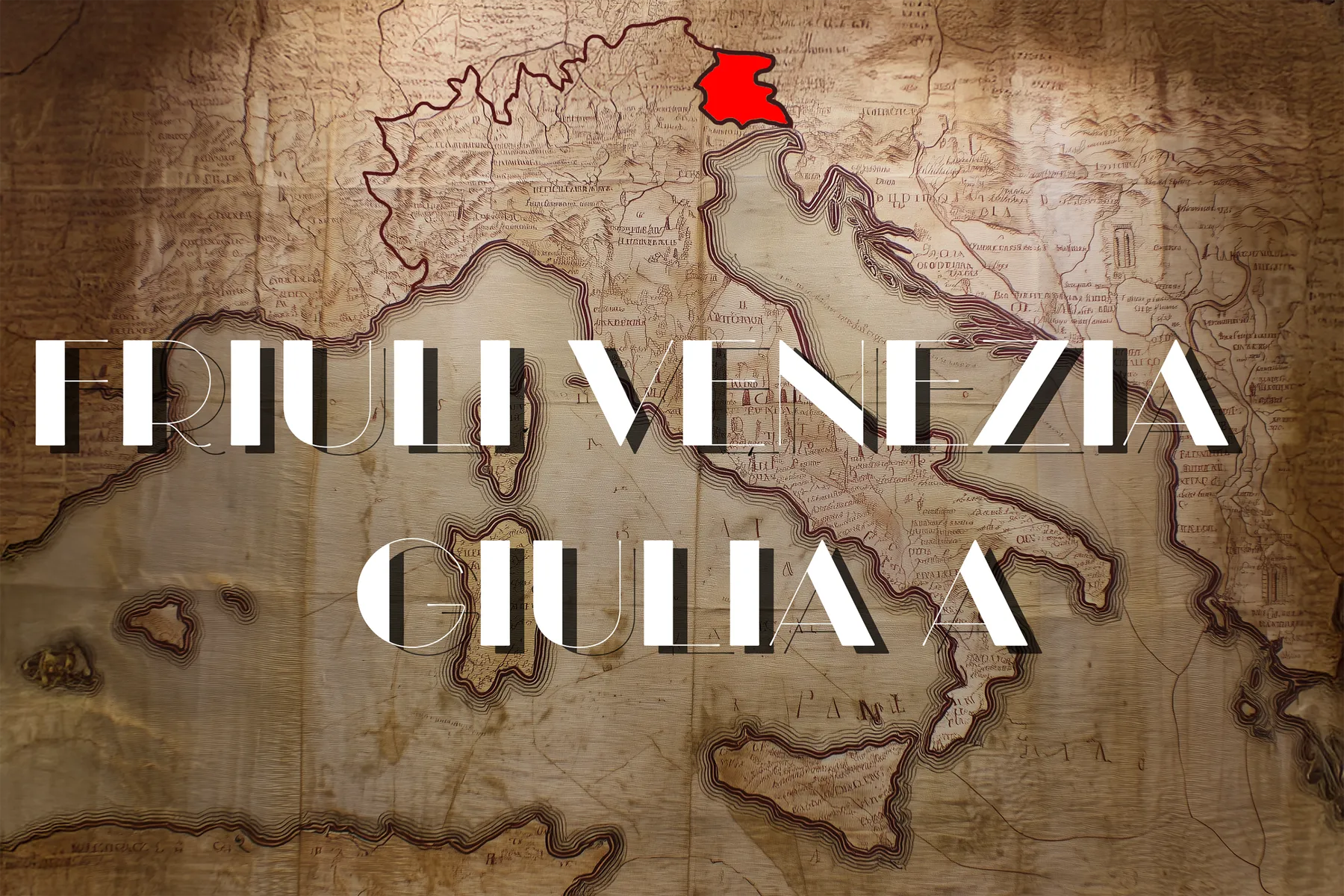
Between snow-capped summits and the Adriatic shore, Friuli has lived the poetry of pasta as both communion and frontier. Here, durum wheat arrived late; for centuries the lexicon belonged to tender wheat, rye, barley, and buckwheat, kneaded with 'aqua fontis' and profound frugality. From this arose a repertoire where sweet and savory, mountain and seaport, converse in amiable reverence.
The blecs are the most rustic signature: a dough of buckwheat and wheat, rolled thick and torn into irregular, coarse ribbons, akin to rough-hewn pappardelle. Dressed with foaming butter, sage, and smoked ricotta, they wear the hue of damp earth and offer an honest, robust bite.
Then come the cjarsons, pockets of Carnia that harbor the memory of hearth and voyage. Within their filling—historically sweet and savory—ricotta and wild greens coexist with bread, cocoa, raisins, cinnamon, and mint. The dressing is golden light: hazelnut butter, poppy seeds, a veil of sugar, and "scuete fumade"—the region's signature smoked ricotta—to seal their enduring memory.
From the Resia Valley descend the cjalcune: magnificent star-shaped, three-pointed gnocchi, filled with potato and wild field herbs—sometimes chives and marjoram—boiled and kissed with butter and smoke. They possess the elegant simplicity of essential things and the joyous tempo of Resian dances. When the forest becomes flour, chestnut gnocchi are born: a rich brown dough carrying the aroma of firewood and honey. Alpine butter or wild mushrooms accompany them—an alpine comfort that warms both hands and memory.
More diminutive, almost playful like children, are the fregoloz di jerbis: tiny "grated" gnocchi dropped directly into boiling water, born of a green dough of herbs and flour. They are seasoned with melted butter and grated "scuete fumade". Swift, fragrant morsels, created to nourish and restore energy, without burdening.
And then, the sweetness that flows down from Vienna and rises from the cafés of Trieste: gnochi de susine. Potato gnocchi that cradle, like a treasure, a whole plum (often halved), dusted with sugar and cinnamon; once they rise to the surface, they are rolled in golden breadcrumbs toasted in butter. This is a Central European caress: the warm, tart heart of the plum met with the gentle embrace of butter.
In Friuli, pasta is a sentimental atlas: it seeks no triumph, but rather harmony in austerity. Within the blecs lies the rustic grain of buckwheat; in the cjarsons, the memory of exotic spices; in the cjalcune, the rigor of mountain pastures; in the chestnut gnocchi, the forest whispering soft; in the fregoloz di jerbis, the deft gesture of practiced hands; and in the gnochi de susine, the echo of imperial cafés. Together they compose a sober and tenacious chorus: the Friulian voice of grain, which knows how to be bread, dessert, and solace, far from excess and noise.


Between snow-capped summits and the Adriatic shore, Friuli has lived the poetry of pasta as both communion and frontier. Here, durum wheat arrived late; for centuries the lexicon belonged to tender wheat, rye, barley, and buckwheat, kneaded with 'aqua fontis' and profound frugality. From this arose a repertoire where sweet and savory, mountain and seaport, converse in amiable reverence.
The blecs are the most rustic signature: a dough of buckwheat and wheat, rolled thick and torn into irregular, coarse ribbons, akin to rough-hewn pappardelle. Dressed with foaming butter, sage, and smoked ricotta, they wear the hue of damp earth and offer an honest, robust bite.
Then come the cjarsons, pockets of Carnia that harbor the memory of hearth and voyage. Within their filling—historically sweet and savory—ricotta and wild greens coexist with bread, cocoa, raisins, cinnamon, and mint. The dressing is golden light: hazelnut butter, poppy seeds, a veil of sugar, and "scuete fumade"—the region's signature smoked ricotta—to seal their enduring memory.
From the Resia Valley descend the cjalcune: magnificent star-shaped, three-pointed gnocchi, filled with potato and wild field herbs—sometimes chives and marjoram—boiled and kissed with butter and smoke. They possess the elegant simplicity of essential things and the joyous tempo of Resian dances. When the forest becomes flour, chestnut gnocchi are born: a rich brown dough carrying the aroma of firewood and honey. Alpine butter or wild mushrooms accompany them—an alpine comfort that warms both hands and memory.
More diminutive, almost playful like children, are the fregoloz di jerbis: tiny "grated" gnocchi dropped directly into boiling water, born of a green dough of herbs and flour. They are seasoned with melted butter and grated "scuete fumade". Swift, fragrant morsels, created to nourish and restore energy, without burdening.
And then, the sweetness that flows down from Vienna and rises from the cafés of Trieste: gnochi de susine. Potato gnocchi that cradle, like a treasure, a whole plum (often halved), dusted with sugar and cinnamon; once they rise to the surface, they are rolled in golden breadcrumbs toasted in butter. This is a Central European caress: the warm, tart heart of the plum met with the gentle embrace of butter.
In Friuli, pasta is a sentimental atlas: it seeks no triumph, but rather harmony in austerity. Within the blecs lies the rustic grain of buckwheat; in the cjarsons, the memory of exotic spices; in the cjalcune, the rigor of mountain pastures; in the chestnut gnocchi, the forest whispering soft; in the fregoloz di jerbis, the deft gesture of practiced hands; and in the gnochi de susine, the echo of imperial cafés. Together they compose a sober and tenacious chorus: the Friulian voice of grain, which knows how to be bread, dessert, and solace, far from excess and noise.
Between snow-capped summits and the Adriatic shore, Friuli has lived the poetry of pasta as both communion and frontier. Here, durum wheat arrived late; for centuries the lexicon belonged to tender wheat, rye, barley, and buckwheat, kneaded with 'aqua fontis' and profound frugality. From this arose a repertoire where sweet and savory, mountain and seaport, converse in amiable reverence.
The blecs are the most rustic signature: a dough of buckwheat and wheat, rolled thick and torn into irregular, coarse ribbons, akin to rough-hewn pappardelle. Dressed with foaming butter, sage, and smoked ricotta, they wear the hue of damp earth and offer an honest, robust bite.
Then come the cjarsons, pockets of Carnia that harbor the memory of hearth and voyage. Within their filling—historically sweet and savory—ricotta and wild greens coexist with bread, cocoa, raisins, cinnamon, and mint. The dressing is golden light: hazelnut butter, poppy seeds, a veil of sugar, and "scuete fumade"—the region's signature smoked ricotta—to seal their enduring memory.
From the Resia Valley descend the cjalcune: magnificent star-shaped, three-pointed gnocchi, filled with potato and wild field herbs—sometimes chives and marjoram—boiled and kissed with butter and smoke. They possess the elegant simplicity of essential things and the joyous tempo of Resian dances. When the forest becomes flour, chestnut gnocchi are born: a rich brown dough carrying the aroma of firewood and honey. Alpine butter or wild mushrooms accompany them—an alpine comfort that warms both hands and memory.
More diminutive, almost playful like children, are the fregoloz di jerbis: tiny "grated" gnocchi dropped directly into boiling water, born of a green dough of herbs and flour. They are seasoned with melted butter and grated "scuete fumade". Swift, fragrant morsels, created to nourish and restore energy, without burdening.
And then, the sweetness that flows down from Vienna and rises from the cafés of Trieste: gnochi de susine. Potato gnocchi that cradle, like a treasure, a whole plum (often halved), dusted with sugar and cinnamon; once they rise to the surface, they are rolled in golden breadcrumbs toasted in butter. This is a Central European caress: the warm, tart heart of the plum met with the gentle embrace of butter.
In Friuli, pasta is a sentimental atlas: it seeks no triumph, but rather harmony in austerity. Within the blecs lies the rustic grain of buckwheat; in the cjarsons, the memory of exotic spices; in the cjalcune, the rigor of mountain pastures; in the chestnut gnocchi, the forest whispering soft; in the fregoloz di jerbis, the deft gesture of practiced hands; and in the gnochi de susine, the echo of imperial cafés. Together they compose a sober and tenacious chorus: the Friulian voice of grain, which knows how to be bread, dessert, and solace, far from excess and noise.